Is Your Forex Broker a Scam? Nigerian Guide
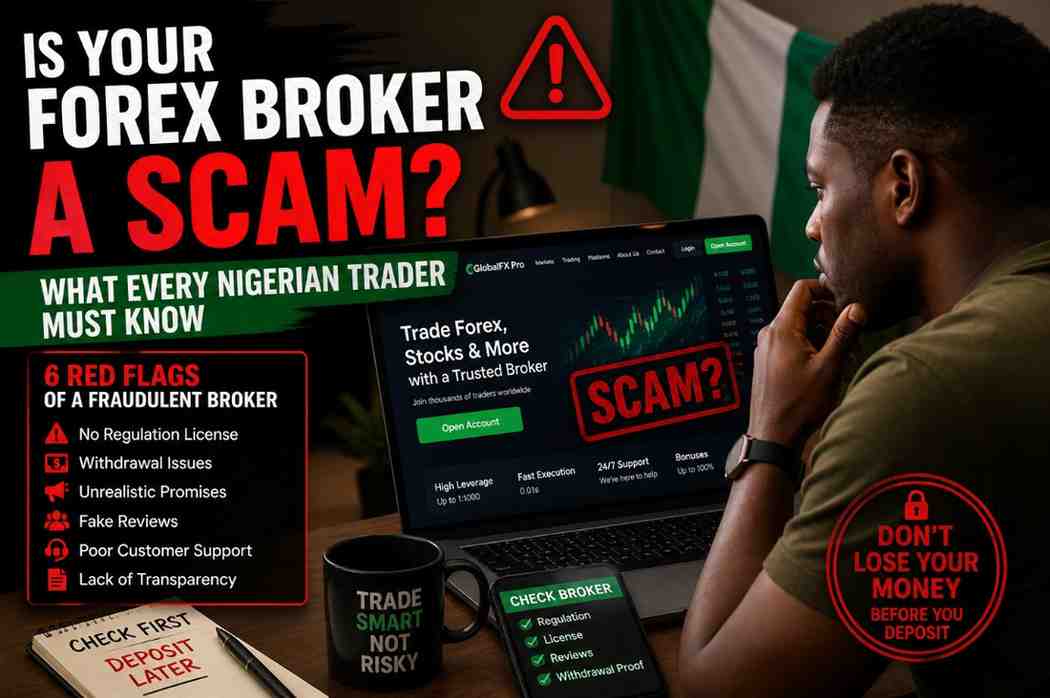
Forex scams target Nigerians every year. Learn six broker red flags, how to verify a platform, and what to do after a scam.
Let me be honest with you. I know someone a sharp guy, university graduate, works hard who put ₦450,000 into a forex trading account in 2023. The platform looked clean. The account manager was smooth on WhatsApp. Profits were showing on his dashboard every week. Then one day, he tried to withdraw ₦80,000 and that is where the story changed.
His withdrawal was pending. Then the account manager stopped picking calls. Then the website disappeared. Just like that. Gone. And he was not alone. Every week in Nigeria, people are losing real money sometimes their entire savings to forex platforms that were never real to begin with.
If you are trading forex or thinking about starting, this post is for you. Not to scare you forex trading is real and people genuinely make money from it. But there are wolves out there dressed as brokers, and you need to know how to spot them before they clean out your account.
First, Let's Be Clear Forex Is Legitimate, But It Is Also a Hunting Ground
The foreign exchange market is the largest financial market in the world over $7 trillion traded every single day. It is real, it is global, and yes, people do profit from it consistently. But because it sounds exciting and the potential returns are attractive, it has become a magnet for scammers. And Nigeria, with our growing appetite for financial freedom and side income, is one of the biggest targets on the continent.
So before you fund any account or trust any signal provider, let us walk through exactly what you need to know. Six red flags, a step-by-step verification process, a list of brokers Nigerians generally trust, and what to do if you have already been burned.
Forex Scam Statistics in Nigeria: The Numbers Are Ugly
Before we get into the red flags, here is the scale of the problem. Understanding how widespread this is will help you take it seriously not as something that happens to other people, but as something you genuinely need to protect yourself from.
| The Problem | What the Data Shows |
|---|---|
| EFCC forex fraud cases (2024) | Over 6,400 reported — and many more go unreported |
| Average amount lost per victim | Between ₦200,000 and ₦900,000 |
| Most common scam method | WhatsApp and Telegram account managers with fake dashboards |
| Percentage of scam brokers with no license | Over 80% operate with no verifiable regulatory registration |
| Withdrawal scam trigger | Most victims are only scammed when they try to withdraw profits |
| Recovery scam risk | 1 in 3 victims who seek a recovery agent are scammed a second time |
The withdrawal trigger pattern is important to understand. Scam brokers let you deposit without problems. They show you a dashboard full of growing profits. They even let you reinvest those profits. The trap only closes when you try to take real money out. By then, the amount you have put in has grown significantly and that is exactly what they planned.
Red Flag #1: They Are Not Registered With the SEC Nigeria or a Reputable Regulator
This is the first question you should ask before anything else is this broker licensed? In Nigeria, forex brokers that accept Nigerian clients should either be registered with the Securities and Exchange Commission Nigeria or operate under a recognised international regulatory body. The most respected ones are the FCA in the United Kingdom, ASIC in Australia, CySEC in Cyprus, and FSCA in South Africa.
If a broker cannot tell you their license number, or if you search their name on the SEC Nigeria portal and find nothing walk away immediately. Scam brokers love operating in grey areas. No regulation means no accountability. When your money disappears, there is no authority you can report to that will actually move fast enough to help you.
Red Flag #2: They Promise Guaranteed Profits
Any broker or account manager who tells you things like minimum 30% monthly returns guaranteed, our algorithm never loses, just invest and watch it grow is lying to you. Period. Forex trading involves real risk. Professional traders lose trades. Even the best hedge funds in the world do not guarantee returns. If someone is promising you guaranteed profits in the forex market, they are either running a Ponzi scheme dressed up as forex, or a platform that will show you fake numbers until you try to withdraw.
Real brokers will always tell you clearly that trading carries risk and that you can lose your capital. That disclaimer is not just legal language it is the mark of a legitimate operation. The moment a broker removes that warning and replaces it with guarantees, you are looking at a scam.
Red Flag #3: You Can Deposit Easily But Cannot Withdraw
This is the oldest trick in the book and it still catches people because the trap is set slowly. The deposit process is smooth they accept bank transfer, OPay, crypto, whatever works for you. But when it is time to withdraw, suddenly there are verification fees, tax clearance charges, withdrawal insurance payments, or some new requirement that appeared from nowhere.
Let me say this as clearly as possible: a legitimate broker will never ask you to pay extra fees before you can access your own money. Withdrawal fees, if any, are deducted from your balance — not charged separately before the transfer is processed. If they are asking you to send more money before you can withdraw, you are already inside a scam. Stop sending money immediately.
Red Flag #4: They Pressure You to Invest Quickly
Scammers love urgency. They will say things like this offer closes tonight, only three spots left in our VIP group, you are going to miss this bull run if you do not act now. This is deliberate psychology. They want you to act before you think. Legitimate brokers do not pressure you. They want you to read their terms, understand the risks, and make an informed decision because confident, informed traders stick around longer and actually make the broker more money.
If someone is rushing you to fund an account, slow down. That urgency is specifically designed to override your judgment. Take 48 hours. Do your research. Ask someone you trust. A real broker will still be there in two days. A scammer will have moved on to the next target.
Red Flag #5: The Platform Only Exists on WhatsApp or Telegram
Real forex brokers have proper trading platforms MetaTrader 4, MetaTrader 5, or their own licensed proprietary platform. They have websites with company information, physical addresses, customer service emails, and legal documents you can read. If your broker only operates through a WhatsApp group, sends you screenshots of profits, and has no platform you can log into independently you are not dealing with a broker. You are dealing with a scammer with a smartphone.
Also watch carefully for cloned websites. Fraudsters create fake websites that look identical to real brokers Exness clones, XM clones, and FXTM clones are particularly common in Nigeria. Always check the URL character by character and verify the website is the official one before you enter any login details or make any deposit.
Red Flag #6: No Demo Account, No Risk Disclosures, No Negative Balance Protection
Reputable brokers always tell you upfront that trading is risky. They provide clear risk disclosures on their website, negative balance protection so you cannot lose more than you deposited, and a free demo account so you can practice before going live with real money. If a broker does not offer a demo account, does not disclose risks, or does not have a clear legal page that is a serious red flag. They do not want you asking too many questions, because the more questions you ask, the more likely you are to figure out they are not real.
How to Verify Any Forex Broker Before You Deposit
Before you put a single naira into any trading account, go through these steps. All of them. This takes about 20 to 30 minutes and it can save you everything.
| Verification Step | Where to Do It | What to Look For |
|---|---|---|
| Search their license number | sec.gov.ng, fca.org.uk, asic.gov.au, cysec.gov.cy, fsca.co.za | Exact match on the official register name, license number, and active status |
| Search their reputation | Google: [Broker Name] + scam / withdrawal problem / review | Look for consistent complaints across multiple independent sources |
| Read real user reviews | Trustpilot, Forex Peace Army, Nairaland forex section | Pay close attention to negative reviews about withdrawals |
| Test a small withdrawal | Deposit a minimal amount first try ₦5,000 to ₦10,000 | If the withdrawal works cleanly without extra demands, that is a good sign |
| Verify the website URL | Check it against the official broker site before logging in | Look for subtle character changes exness.com vs ex-ness.com |
| Ask the community | Reddit r/Forex, Nairaland, Nigerian Twitter/X forex communities | Real traders who have used the platform will tell you the truth |
Forex Brokers That Nigerians Generally Trust in 2026
While no broker is completely without flaws, these platforms have a consistent track record of being legitimate and accepting Nigerian clients. Always verify their current regulatory status yourself before depositing — brokers can change ownership or lose licenses, and it is your money on the line.
| Broker | Regulator | Why Nigerians Use It |
|---|---|---|
| Exness | FCA (UK), CySEC (Cyprus) | Fast withdrawals, naira deposits, very popular in Nigeria |
| XM Global | ASIC (Australia), CySEC | Low minimum deposit, accepts NGN, strong educational content |
| FXTM (ForexTime) | CySEC (Cyprus), FSCA (South Africa) | Nigerian customer support, local payment options |
| HFM (HotForex) | FSCA (South Africa), FCA (UK) | Accepts NGN deposits, copy trading feature available |
| OctaFX | Licensed in multiple jurisdictions | Popular among Nigerian traders, easy mobile interface |
One important thing to note: being on this list does not mean these brokers are perfect or that you will make money trading with them. Trading is risky regardless of the broker. What this list means is that these platforms are regulated, have a physical presence, and have a track record of processing withdrawals for Nigerian clients. That is the baseline. Everything else is down to your own trading skill and discipline.
What to Do If You Have Already Been Scammed
First you are not alone and it is not your fault. These people are professional manipulators who do this full time. They are good at it. Being deceived by them does not say anything about your intelligence. Here is what you can do right now.
| Step | Action | Important Note |
|---|---|---|
| 1 | Report to the SEC Nigeria at sec.gov.ng | File a formal written complaint with all evidence screenshots, receipts, chat logs |
| 2 | Report to the EFCC online portal | The EFCC takes forex fraud seriously and has recovered funds in some cases |
| 3 | Notify your bank immediately | If you transferred via bank, your bank may be able to flag or trace the transaction before it clears |
| 4 | Warn the community | Post your experience on Nairaland, Twitter/X, and forex communities protect others |
| 5 | Avoid recovery agents | Anyone who promises to recover your scammed money is almost certainly running a second scam this is called a recovery scam and it is extremely common |
The recovery scam warning deserves extra emphasis. After being scammed, it is natural to look for a way to get your money back. Fraudsters know this and they specifically target recent victims. They will claim to be lawyers, investigators, or government agents who can recover your funds for a fee. Once you pay that fee, they disappear. Always report through official channels only — SEC, EFCC, and your bank. Never pay anyone else to recover your money.
To bulding a wealth in any space not only in trading, you need proper scaling, not only making profit is important but securing it, cutting loss and expenses is more important, you can check : building wealth from scratch to learn more about building wealth. the aim is to build wealth not just to be rich!
learn more
- risk in crypto, what you need to know
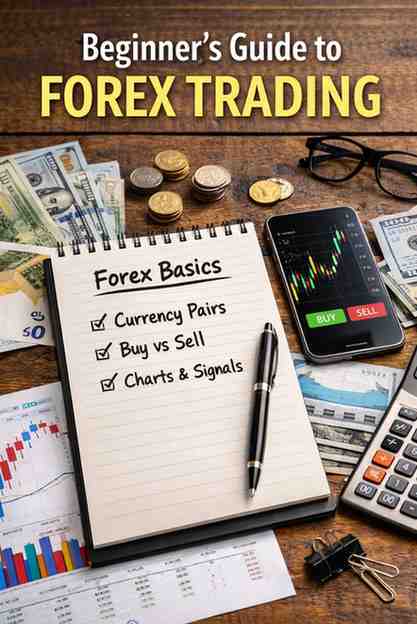
- forex trading tips for beginners
- secretes of stock market
- best 10 trading strategies you can try
Continue learning
Questions and answers
Is forex trading legal in Nigeria in 2026?
Yes, forex trading is legal in Nigeria. The Securities and Exchange Commission Nigeria regulates the space, and the Nigerian Investment and Securities Act 2025 formally recognises financial instruments including forex derivatives. However, the broker you use must be properly licensed either in Nigeria or under a recognised international regulator like the FCA, ASIC, CySEC, or FSCA. Trading on an unlicensed platform is risky — not because you are breaking the law, but because you have no legal protection if the platform disappears with your funds.
How do I know if a forex broker is regulated?
Every regulated broker has a license number. Ask for it, then verify it directly on the regulator's official website sec.gov.ng for Nigeria, fca.org.uk for the UK, asic.gov.au for Australia, cysec.gov.cy for Cyprus, or fsca.co.za for South Africa. Type the broker's name into the search box on those sites. If they appear on the register with an active status, they are regulated. If they do not appear, do not deposit.
What should I do if my forex withdrawal is being delayed or blocked?
First, document everything take screenshots of your account balance, the withdrawal request, and all communication with the broker. Then send a formal written complaint to the broker's compliance department via email. If they do not respond within 48 hours or if they ask for additional fees before processing your withdrawal, escalate immediately report to the SEC Nigeria, the EFCC, and if the broker is internationally regulated, to their home regulator. Do not send any additional money under any circumstances.
Can a forex broker guaranteed profits?
No — and any broker or account manager who guarantees profits is either lying or running a scam. Forex trading is inherently risky. Prices move based on global economic events, central bank decisions, geopolitical developments, and market sentiment — none of which anyone can predict with certainty. Even professional traders with decades of experience have losing months. Guaranteed returns in forex do not exist. If you see that promise, run.
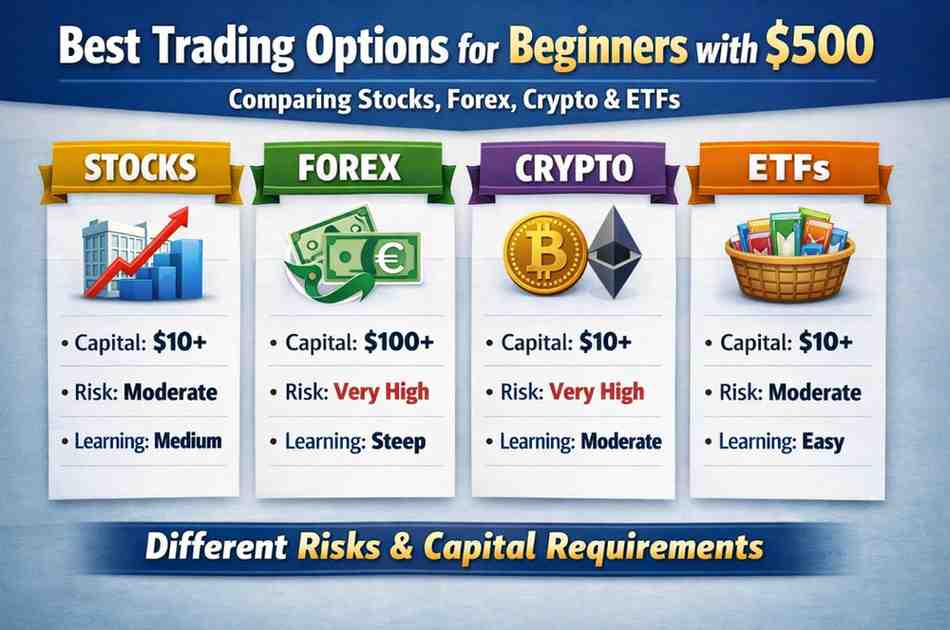
What is the minimum amount I should start forex trading with in Nigeria?
Most reputable brokers allow you to start with as little as $10 to $50. But the amount you start with matters less than the education you bring to it. Before you trade with real money, spend at least one to three months on a demo account learning how to read charts, manage risk, and control your emotions when trades go against you. When you do go live, only trade with money you can genuinely afford to lose without it affecting your life. Forex is not a savings account it is a skill-based market.
Is MetaTrader 4 or MetaTrader 5 safe to use?
MetaTrader 4 and MetaTrader 5 are legitimate, widely used trading platforms the platforms themselves are safe. What matters is which broker is providing you access to them. A scam broker can use MT4 or MT5 but still manipulate your price feeds or block withdrawals. Having a MetaTrader interface does not automatically mean the broker is legitimate. Always verify the broker's license independently, regardless of what platform they use.
What are the most common forex scams targeting Nigerians?
The most common ones are fake account managers on WhatsApp and Telegram who manage your funds and show you fake profit dashboards before disappearing when you try to withdraw; withdrawal fee scams where you are asked to pay a fee to release your own funds; cloned broker websites that steal your login credentials and deposit funds; fake signal groups that charge subscriptions for losing trade calls; and recovery scams that target people who have already been defrauded. The single most important rule: never give anyone direct control of your trading account.
How do I report a forex scam in Nigeria?
Report to the Securities and Exchange Commission Nigeria through sec.gov.ng, file a complaint with the EFCC through their online portal, and notify your bank if the transfer was made through a Nigerian account. Collect all evidence before reporting screenshots of the platform, WhatsApp conversations, payment receipts, and the broker's website URL. Also post a warning in Nigerian forex communities on Nairaland, Reddit, and Twitter so other traders can avoid the same platform.
Forex trading can genuinely build wealth but only if you are working with legitimate brokers and building real trading skills over time. The shortcuts that promise fast, guaranteed money are almost always traps built specifically for people who are ambitious and want more for themselves. That ambition is not a weakness. It is a strength — but it needs to be protected with knowledge. Verify every broker before you deposit. Start small. Learn more than you earn in the beginning. Nigeria is full of smart, hardworking people who deserve access to real financial tools. Do not let a scammer be the reason your forex journey ends before it begins. Stay sharp, trade safe, and keep building.