Is the 50/30/20 Rule Actually Good? A Realistic Look at This Popular Budgeting Method
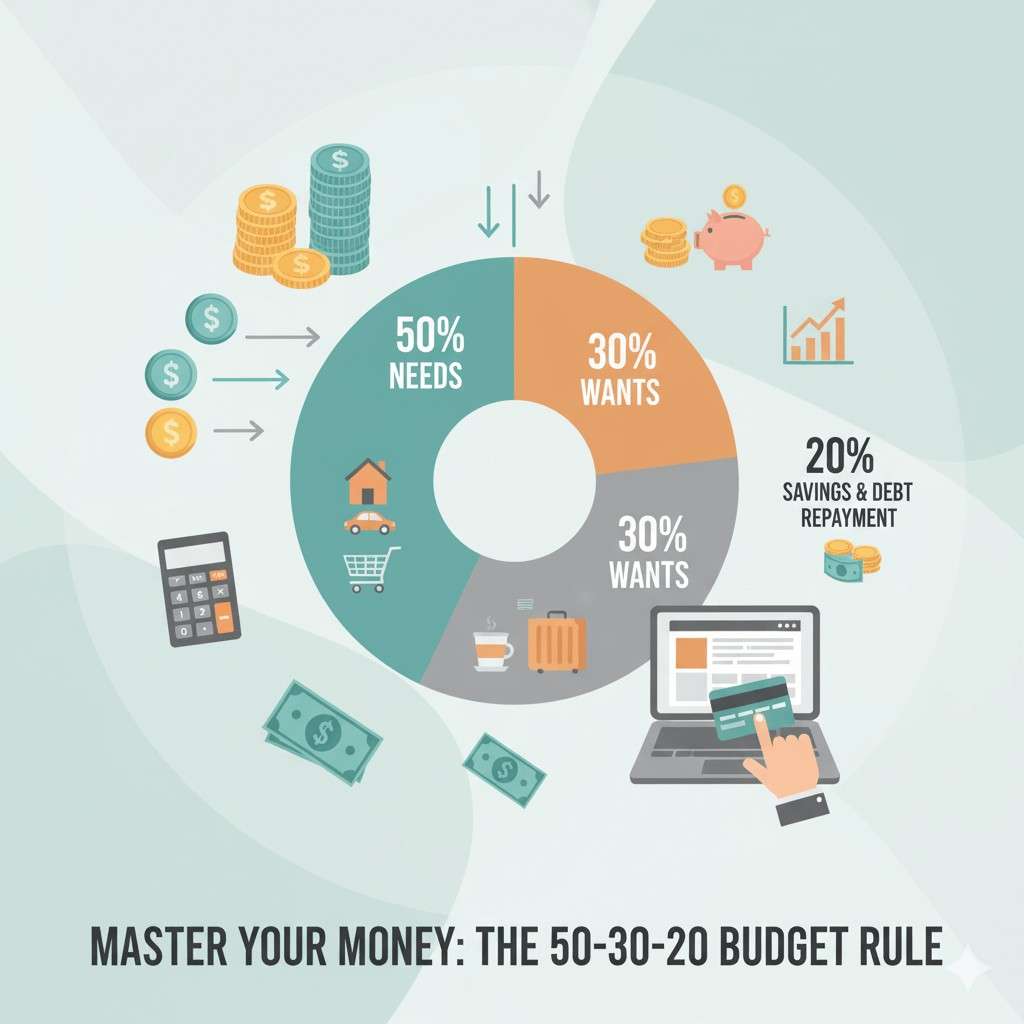
Is the 50/30/20 rule really effective? Get an honest breakdown of its strengths, weaknesses, and when this popular budgeting method actually works.💡
The 50/30/20 rule has become one of the most widely recommended budgeting strategies in the world. It’s simple, beginner-friendly, and easy to apply regardless of country or currency. But many people still wonder: Is the 50/30/20 rule actually good? Does it still work in today’s economy where rent, food, and transportation continue to rise? Let’s take an honest, international look at whether this budgeting system still holds up.
What Makes the 50/30/20 Rule So Popular?
The rule breaks your after-tax income into three categories 50% for needs, 30% for wants, and 20% for savings. The simplicity is the main reason it became globally recognized. Unlike complex budgeting strategies, the 50/30/20 rule gives you a quick, clear structure to follow.
Reasons Why the 50/30/20 Rule Is Actually Good
There are several benefits that make this rule effective for millions of people worldwide.
- ✔️ Simple to Use: You don’t need apps, spreadsheets, or math skills.
- ✔️ Works With Any Currency: Dollars, euros, naira, pounds, yen the percentages remain the same.
- ✔️ Builds Better Spending Habits: Helps you differentiate between needs and wants.
- ✔️ Promotes Consistent Saving: Automatically sets aside 20% for your future.
- ✔️ Great for Beginners: Ideal for people just learning to manage their money.
Remember to budget for taxes and seasonal expenses: leave buffer categories and a 'true-up' line to adjust for irregular charges—our budgeting timeline articles show how to prepare for these events at read this post.
The Limitations of the 50/30/20 Rule
Even though the 50/30/20 rule is good, it isn’t perfect. For many people around the world, rising living costs make it hard to stick to the percentages.
- ❗ High cost of living may push needs above 50% especially rent in major cities.
- ❗ Irregular income makes budgeting harder freelancers or gig workers need adjustments.
- ❗ Doesn’t include cultural or regional differences spending habits vary globally.
- ❗ Savings needs differ for each person some may need more than 20% depending on goals.
Who Is the 50/30/20 Rule Good For?
This rule works great for people who want a simple, no-stress way to understand their money. It’s especially helpful for:
- Students and young adults
- People new to budgeting
- Working professionals with stable income
- Anyone who wants a quick financial structure
- People aiming to build long-term savings habits
Who Might Struggle With This Rule?
Some groups may find the percentages unrealistic, especially in expensive regions or unstable financial situations.
- People living in high-rent cities
- Low-income households
- Freelancers or gig workers with unpredictable income
- Individuals with high debt or large financial responsibilities
To bulding a wealth in any space not only in trading, you need proper scaling, not only making profit is important but securing it, cutting loss and expenses is more important, you can check : building wealth from scratch to learn more about building wealth. the aim is to build wealth not just to be rich!
Is the 50/30/20 Rule Still Good Today?
Yes the rule is still good, but with a realistic twist. It works best as a guideline, not a strict financial law. Instead of trying to force your budget to match the percentages perfectly, use the rule as a starting point and adjust based on your lifestyle, country, and cost of living.
How to Adjust the 50/30/20 Rule for Your Life
Here are some international variations people use when the standard rule doesn’t fit:
- 60/20/20: For people in expensive cities where rent is high.
- 70/20/10: For low-income households focused on essentials.
- 40/30/30 :For aggressive savers or people preparing for retirement.
- 50/20/30: For reducing lifestyle spending while increasing savings.
Final Verdict: Is the 50/30/20 Rule Good?
Yes the 50/30/20 rule is good, especially for beginners and people looking for a simple way to manage their finances. It helps you understand your spending, save more, and create financial stability. However, it’s not perfect for everyone. The best approach is to use the 50/30/20 rule as a flexible starting point and adjust it to match your income level, region, and personal goals.
If you need a budgeting system that is easy, clear, and effective worldwide the 50/30/20 rule is one of the best options available today.
more budgeting type you may like:
- smar budgeting hack
- Zero-Based Budgeting (ZBB): The Complete International Guide to Mastering Your Money
- four walls budget