What Is the Four Walls Budget?
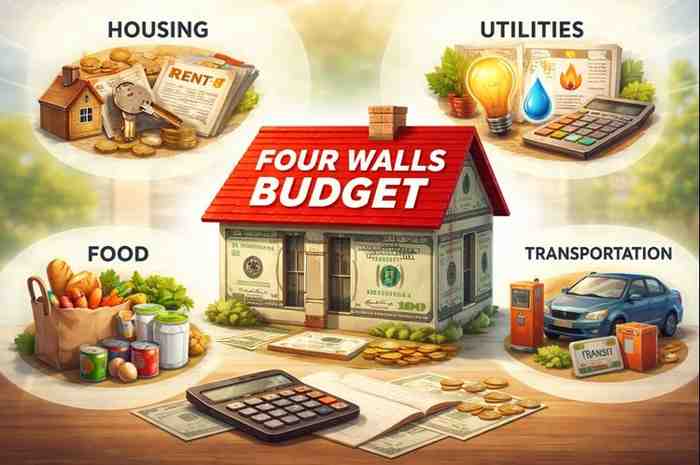
Struggling to pay bills? Learn how the Four Walls Budget prioritizes housing, food, utilities, and transport to keep you financially stable.
When your income is low, your bills keep going up, and you have to pay for things you didn't expect, it can be very hard to manage your money. A lot of people have money problems not because they don't make enough, but because they don't have a clear system that tells them what is most important. This is where the Four Walls Budget really shines. This way of budgeting doesn't try to control all of your expenses at once. Instead, it focuses on making sure you have what you need to survive. This guide will teach you what the Four Walls Budget is, how it works in real life, give you practical examples in USD, tell you what mistakes to avoid, and show you when it's time to stop using this method as your finances get better.
What Is the Four Walls Budget?
The Four Walls Budget is a way to plan your money that puts your most important living costs first. These costs are not negotiable because they have a direct impact on your ability to live, work, and make money. The idea is simple: if you can protect your basic needs, you won't have to deal with financial stress that leads to a crisis. After the four walls are fully paid for, all other costs, like entertainment, subscriptions, luxury items, and lifestyle upgrades, come next.
What Are the Four Walls?
The four walls stand for the basic costs of living that everyone needs to survive. In this order, they are the most important:
1. Shelter (Housing)
Your top priority is housing because losing it makes things unstable right away. This includes paying rent or a mortgage and other basic costs of living. It's very hard to balance work, family, and money when you don't have a stable place to live.
2. Utilities
Utilities make sure your home is safe and works. This includes basic phone service, electricity, water, and gas. The four walls do not include luxury services like premium TV subscriptions, multiple streaming platforms, or high-speed upgrades.
3. Food
Inside the four walls, food means basic nutrition, not comfort or luxury. Groceries and simple meals made at home are included, but eating out a lot, snacking, and expensive meals are not. The goal is to eat well, not to indulge.
4. Transportation
Transportation lets you make money and meet important responsibilities. This includes gas, basic car repairs, and bus and train fares. There are no luxury cars, frequent ride-sharing, or travel that isn't necessary.

Who Should Use the Four Walls Budget?
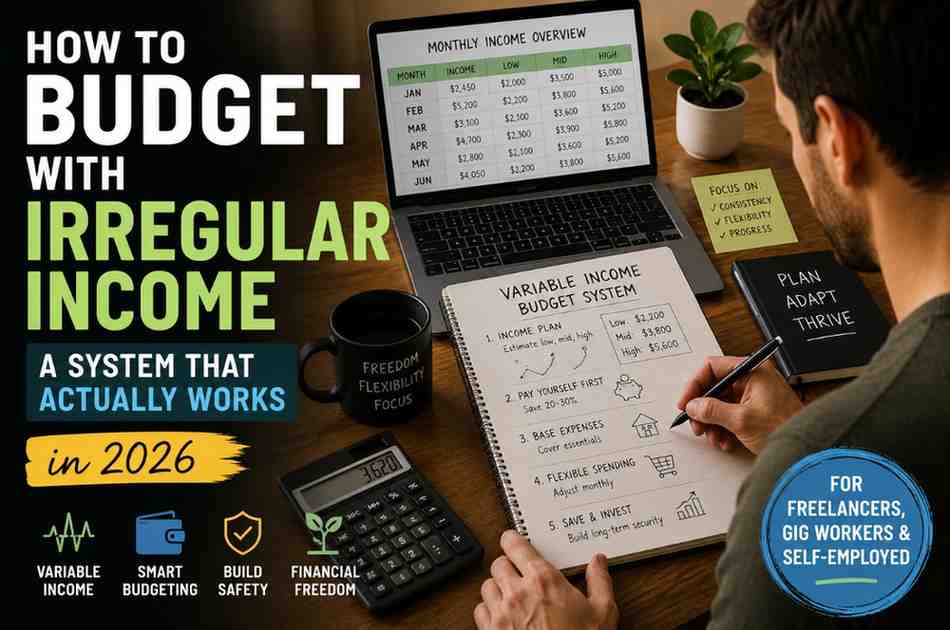
People who are having trouble with money or are in a bad financial situation should use the Four Walls Budget. This includes people who live paycheck to paycheck, are getting out of debt, have an irregular income, or are going through a tough time like losing their job or having their living costs go up. It is a way to budget that protects your money instead of making your life better.
How to Use the Four Walls Budget in Real Life
use the Four Walls Budget, first figure out how much money you bring home each month. Next, make a list of your four wall expenses and make sure they are paid first, before anything else. If you don't have enough money, you should stop spending money on things that aren't necessary until things get better. This way, financial To stress affects lifestyle choices first, not survival.
Four Walls Budget Example (Monthly)
Below is a simplified example of how the Four Walls Budget might look for someone earning $3,000 per month after taxes.
| Category | Monthly Cost (USD) | Four Walls Priority |
|---|---|---|
| Housing (Rent) | $1,200 | Essential |
| Utilities | $250 | Essential |
| Food (Groceries) | $400 | Essential |
| Transportation | $300 | Essential |
| Total Four Walls | $2,150 | — |
| Remaining Income | $850 | Flexible |
Common Mistakes to Avoid
A lot of people make the mistake of thinking that the Four Walls Budget is a permanent way of life instead of a temporary way to stabilize things. Another mistake is putting luxury costs inside the four walls, which goes against the whole point of prioritizing. The method works best when it is used honestly and strictly.
Four Walls Budget vs Other Budgeting Methods
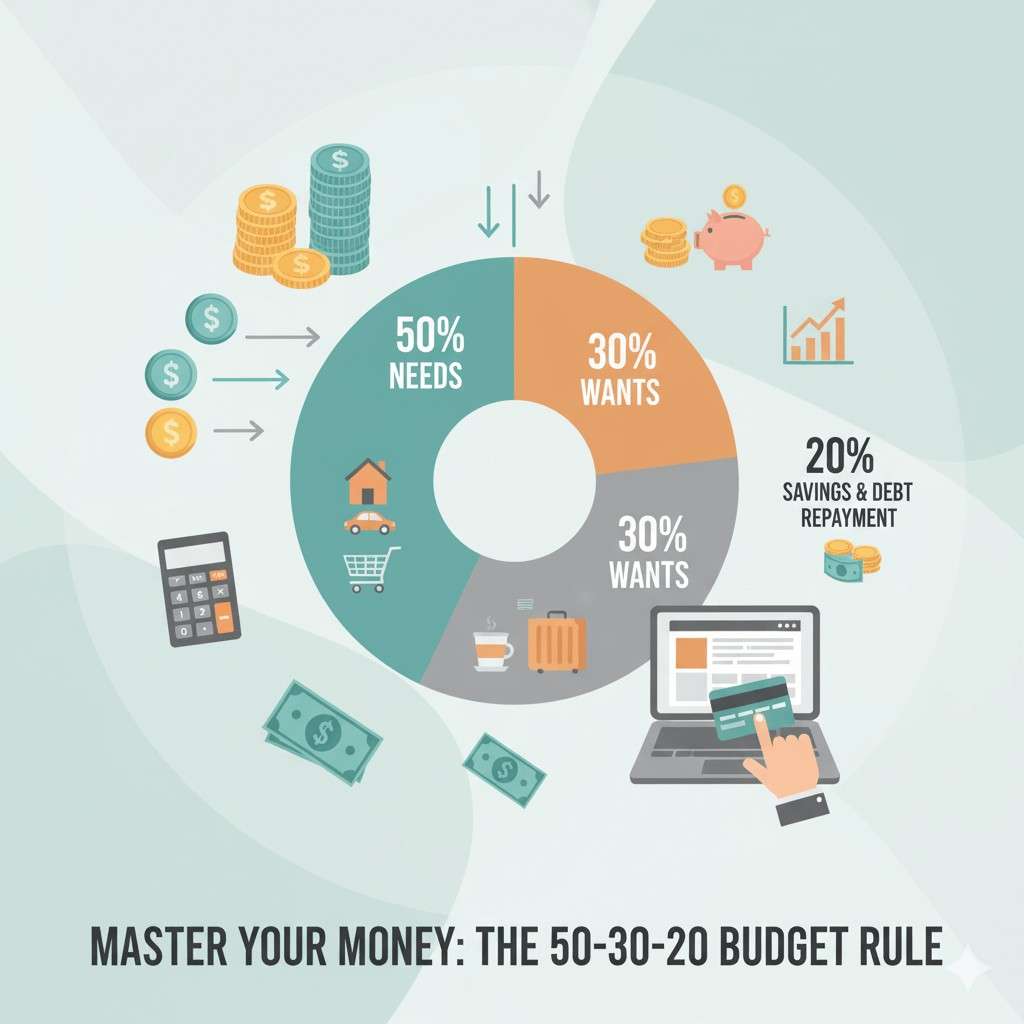
Unlike percentage-based systems such as the 50/30/20 rule, the Four Walls Budget focuses on survival first, not balance. It is especially effective during financial hardship, while other methods are better suited once income becomes stable.
When Should You Stop Using the Four Walls Budget?
When you have a solid emergency fund, debt that you can handle, and steady income, you can switch to a more flexible way of budgeting. The Four Walls Budget is not meant to limit long-term growth; it is meant to keep things stable.
Before choosing a budgeting system, it helps to understand how popular rules work in practice. explanation of 50/30/20 method is available in this post.
Four Walls Budget vs Other Budgeting Methods
Not all budgeting methods serve the same purpose. While some systems focus on balance and long-term planning, the Four Walls Budget is designed for financial survival and stability. The table below highlights how it compares to other popular budgeting methods.
| Budgeting Method | Main Focus | Best For | Weakness |
|---|---|---|---|
| Four Walls Budget | Survival and stability | People under financial stress or unstable income | Limited lifestyle flexibility |
| 50/30/20 Rule | Balanced spending and saving | Stable income earners | Not suitable during financial crisis |
| Zero-Based Budgeting | Full expense control | Detail-oriented planners | Time-consuming |
| Pay Yourself First | Saving before spending | Consistent savers | Can ignore urgent bills |
Zero-based budgeting gives every dollar a purpose. If you want tighter control over spending, the full method is explained step by step in this guide.
Final Thoughts
When the Four Walls Budget May Not Be the Best option.
Once your finances are stabilized, the Four Walls Budget isn't the greatest option. A more flexible budgeting strategy might help you expand over time if you have a fully funded emergency fund, debt that you can handle, and a continuous inflow of extra money. If you don't adjust the Four Walls technique, it could make it harder for you to generate riches.
The Four Walls Budget isn't about limiting your choices; it's about keeping you safe. You can develop a strong financial base that can endure uncertainty by first making sure you have a place to live, food, transportation, and utilities. This strategy helps people who are having problems with money see things clearly, take charge, and feel stable when they need it most.
Small money habits often create big results. Simple, modern budgeting ideas that actually work are shared in this article.
more budgeting type you may like:
- smar budgeting hack
- Zero-Based Budgeting (ZBB): The Complete International Guide to Mastering Your Money
- four walls budget
Continue learning

Questions and answers
Is the Four Walls Budget only for low-income earners?
No. While it is especially useful during financial hardship, anyone can use the Four Walls Budget temporarily during uncertain periods.
Can I save money while using the Four Walls Budget?
Yes. Once the four walls are covered, remaining income can be used for savings or debt repayment.
Does the Four Walls Budget work outside the United States?
Yes. The method works in any country and with any currency because it focuses on universal survival needs.
Is the Four Walls Budget a long-term budgeting solution?
No. It is designed as a short- to medium-term strategy to regain financial stability.
What happens if my income cannot cover all four walls?
In extreme cases, expenses may need to be reduced, negotiated, or supplemented with temporary income solutions until stability improves.