Budgeting for Household Expenses in 2026: The Complete Guide to Managing Family Finances

Learn how to build a household budget that works, reduce waste, and gain confidence with your family finances. A practical guide for 2026.
Where did your money go last month? Not roughly. Could you sit down and account for every dollar, naira, pound or euro? Most households can't, and the odd thing is that many of them don't have a spending problem at all. They have a visibility problem. The bills get paid, the groceries get bought, and then the month ends with a balance far smaller than anyone expected.
A household budget fixes that. It isn't a punishment or a financial diet, and it doesn't mean giving up coffee or cancelling every subscription. It's a plan that tells your money where to go before it disappears. Once you know what's coming in and what's going out, decisions get easier, saving becomes steadier and a surprise bill stops being a crisis. This guide covers how to build a budget that fits your household, how to trim waste without making life miserable, and how to keep the whole thing running after the first burst of enthusiasm wears off. The examples use dollars, but swap in your own currency.
What Is a Household Budget?
A household budget is a written plan for the money coming into your home and what it will be used for. It answers three questions: how much comes in, where it currently goes, and whether that spending is moving you towards the life you want. Think of it as navigation. You can reach a destination without directions, but you'll take wrong turns and burn fuel on the way.
A complete one usually covers housing, groceries, transport, utilities, insurance, debt payments, savings and investments, entertainment, an emergency fund and irregular expenses. You don't need to control every last penny. You need to know where each one is going, and that awareness alone changes behaviour faster than most people expect.
Why Household Budgeting Matters More Than Ever
Costs rarely fall. Rent has risen in many cities, groceries cost more than they did a few years ago, and utility bills have a habit of surprising you. When prices climb faster than income, you can't decide where to adjust unless you can see where the money goes. A budget makes every expense visible, so you can spot waste, protect what matters and set money aside for costs you know are coming instead of reacting when they land.
Step 1: Find Out What You Actually Earn and Spend
Start with take-home income, meaning what actually lands in your account after tax and deductions. If you share finances, include everyone's contribution. If your pay varies, use your lowest recent month as the planning figure and treat anything above it as a bonus.
Then look backwards. Pull the last two or three months of bank, card and mobile-money statements and sort every transaction into categories. Don't judge yet; this is fact-finding. Most people find two surprises: a handful of small recurring charges they'd forgotten about, and a food category, groceries plus takeaways, that's much bigger than they thought.
Step 2: Separate Fixed, Variable and Irregular Costs
Fixed costs are the same each month: rent or mortgage, insurance, loan repayments, school fees. Variable costs move around: groceries, fuel, electricity, eating out. Irregular costs turn up only now and then: car servicing, medical bills, annual subscriptions, holidays, gifts and back-to-school spending. The third group wrecks most budgets, because it doesn't feel like a regular expense until the bill arrives.
The fix is to turn irregular costs into monthly ones. Add up what you expect to spend on them over a year and divide by twelve. If car servicing, medical costs and gifts come to $1,800 a year, that's $150 a month, moved into a separate pot. When the car needs new tyres, the money is already there.
Step 3: Choose a Structure
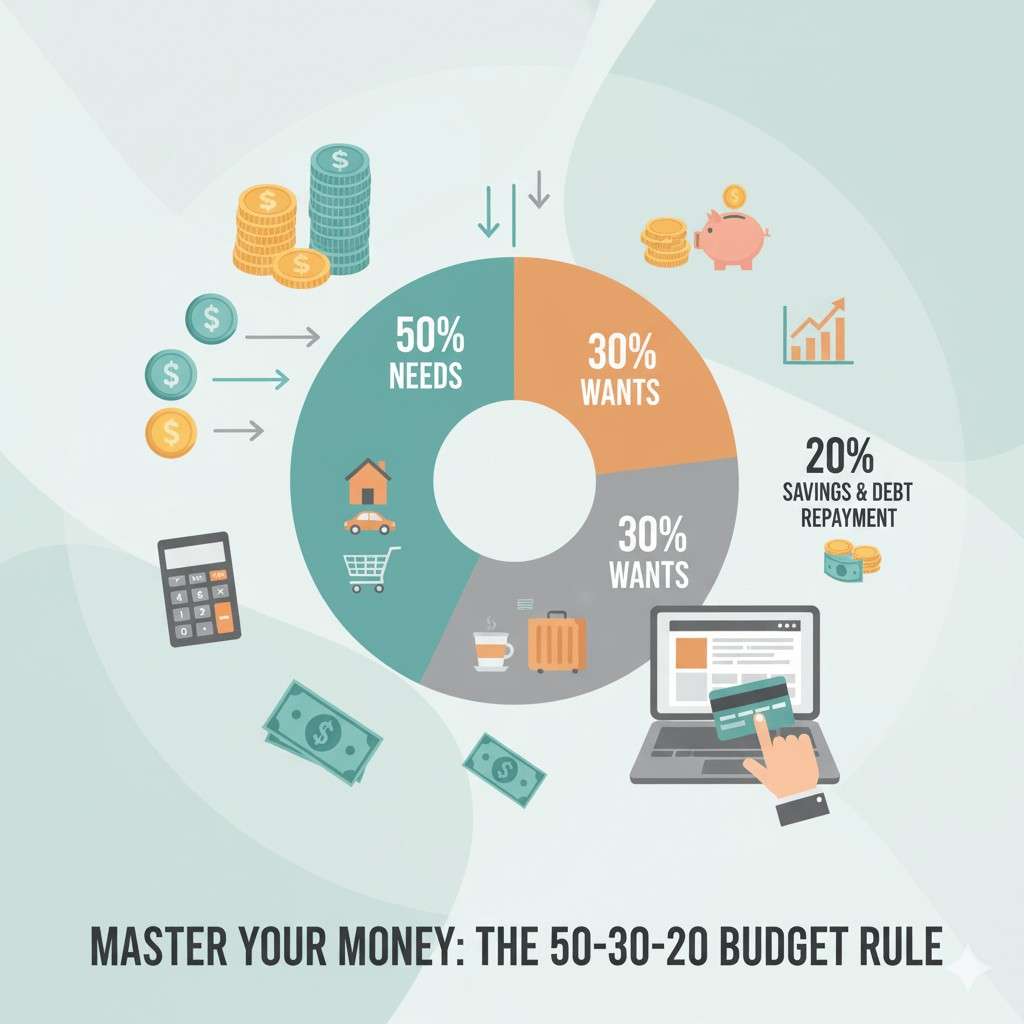
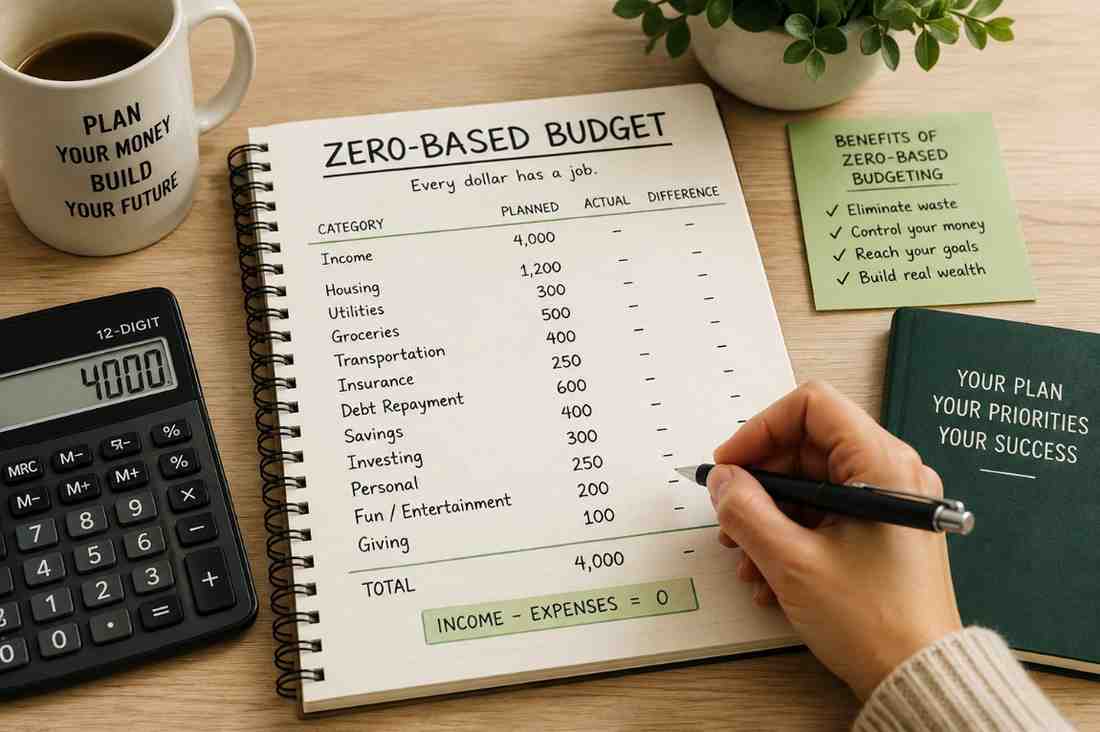
You don't need to invent a system. Many households start with a percentage split such as the 50/30/20 rule, or the 75/15/10 rule if living costs take a bigger share. Others prefer to give every unit of income a job, as in zero-based budgeting, or to pay the essentials first with the Four Walls Budget when money is tight. If you're not sure, our comparison of the best budgeting methods sets them side by side.
A Sample Monthly Household Budget
Here's what a plan might look like for a household with $3,600 of monthly take-home pay. It's an illustration, not a prescription. Your numbers will differ with location, family size and priorities.
| Category | Monthly amount | Share of income |
|---|---|---|
| Housing | $1,100 | 31% |
| Utilities | $250 | 7% |
| Groceries | $550 | 15% |
| Transport | $300 | 8% |
| Insurance | $150 | 4% |
| Debt payments | $200 | 6% |
| Savings and investments | $360 | 10% |
| Emergency fund top-up | $100 | 3% |
| Irregular-expense pot | $150 | 4% |
| Entertainment and eating out | $250 | 7% |
| Personal and miscellaneous | $190 | 5% |
Notice that savings, the emergency top-up and the irregular-expense pot together take about 17% before any fun money is spent. That's deliberate. The future-facing lines come out of the plan first, not out of whatever happens to be left.
Step 4: Cut Waste Without Making Life Miserable
Once everything is visible, look for leaks before looking for sacrifices. Cancel subscriptions you've stopped using and check whether any overlap. Phone, internet and insurance plans are worth reviewing once a year, since loyalty often costs more than switching. Food is usually the most flexible big category, and planning meals for the week and shopping from a list tends to cut both impulse buying and wasted food. Utilities respond to small habits: switching off standby devices, using appliances efficiently and checking bills for errors.
Be selective. Trying to trim everything at once leads to burnout. Pick the two or three categories with the most room and leave alone the things that make your life better. A budget with no space for enjoyment doesn't survive.
What If Your Income Isn't Steady?
Many households, especially those relying on commissions, freelance work, trading or informal income, can't predict next month's pay. Plan from your lowest recent month and treat everything above it as extra, to be split between your emergency fund, debt and savings before it reaches everyday spending. A common trick is to pay yourself a fixed monthly "salary" from a separate account, topped up in good months and drawn down in lean ones, so your household sees a steady figure even when the income isn't.
Step 5: Build Your Safety Net
An emergency fund is what stops an unexpected bill from turning into debt. Many planners suggest aiming for three to six months of essential expenses, but that can feel out of reach at the start. Begin with a smaller target, such as one month of essentials or even a few hundred dollars, and keep it somewhere easy to reach but separate from your everyday account. If you're carrying high-interest debt, a small starter fund followed by extra payments on the debt is a sensible order, because the interest costs more than a savings account earns.
Step 6: Get Everyone on the Same Page
A budget only one person understands tends to fall apart. If you share a household, sit down together and agree on the essentials, the savings goals and a personal spending allowance for each adult, no questions asked. Children can learn from it too. Letting older kids see how the family chooses between wants and needs is cheap financial education. Hold a short money meeting once a month to look at what happened, what's coming and what needs adjusting.
Give the Budget a Purpose
People stick with budgets when they're working towards something specific. Write down two or three goals with a rough cost and a date: a six-month emergency fund, clearing a loan, school fees next term, a family trip. Divide each by the months available to find the monthly amount, and add it as a line in the plan. Seeing "school fees: $150 a month" makes a skipped takeaway feel like progress instead of deprivation.
Common Household Budgeting Mistakes
The most common is making the plan too tight. A budget with no room for treats or mistakes is one you'll abandon within weeks, so include a miscellaneous line and a modest allowance for fun. Another is forgetting irregular costs, which push people back into debt. A third is never reviewing: prices change, and a budget set in January and never revisited drifts out of date. Finally, many people try to track everything in their heads. Writing it down, in a notebook, spreadsheet or app, is what makes it work.
Keeping It Going
The tool matters less than the habit. A spreadsheet, a budgeting app or pen and paper all work if you check in weekly, ten minutes comparing what you planned with what you spent, and do a fuller review each month. When a month goes badly, treat it as information rather than failure, adjust the numbers and carry on. For the wider picture of where all this leads, see building wealth from scratch, and for another way to structure a family plan, read how to stop guessing your household budget.
Related reading: EE and I bonds compared.
Continue learning
Questions and answers
What is a household budget?
A household budget is a plan that tracks income and expenses, giving every dollar a purpose before it is spent. It helps you understand where your money goes and make intentional financial decisions.
Why does household budgeting matter in 2026?
With rising costs for rent, groceries, and utilities, budgeting helps you identify waste, prioritize essential expenses, and prepare for future costs instead of just reacting to them.
Is budgeting only for people who struggle with money?
No. Budgeting is for anyone who wants clarity and control over their finances, regardless of income level. It helps high earners avoid lifestyle inflation and helps low earners prioritize essentials.
What are the most common household budget categories?
Typical categories include housing, groceries, transportation, utilities, insurance, debt payments, savings, investments, entertainment, emergency funds, and irregular expenses.
How do I start a household budget?
Start by tracking your income and all expenses for a month. Then categorize spending, set limits based on your goals, and review regularly. Use a spreadsheet, app, or pen and paper.